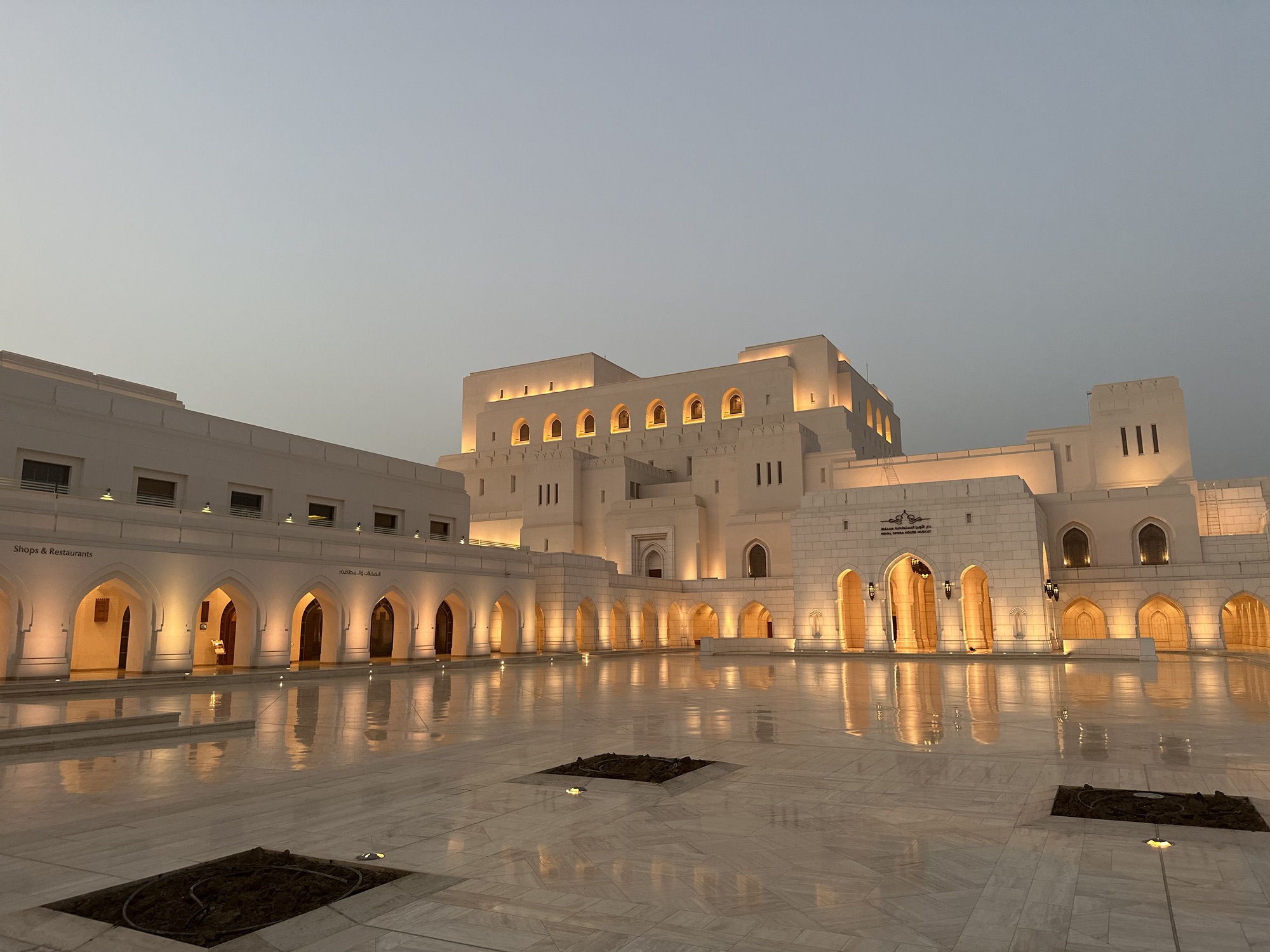
The man and woman entered a small, old-fashioned diner at the edge of town. A shopkeeper’s bell jingled softly overhead, and the sound of traffic slowly faded as the door closed behind them. They were soaked after braving the Middle Eastern sun all morning; it was midsummer, and the heat index was rising like a firework on the Fourth of July. The woman, who could speak Arabic, began communicating with a stout, middle-aged man who appeared to be the manager. A young server in his late teens reached for the menus, but the manager stopped him with an abrupt, stubby-handed gesture. The teenager turned his ear to the manager who whispered something that the woman could not understand. Nodding, the teenager walked briskly toward the kitchen, eyeing the newcomers curiously. Seconds later, he rounded a corner and disappeared.
Being inside offered little relief from the heat, for the fans merely circulated hot air. Two cleaning stations stood behind the manager to their left, enclosed in tempered glass. Parallel to the cleaning stations, an unmanned and rumless bar sat shipwrecked against the right side of the diner. Cooks moved to and fro in the kitchen, which was visible from the dining room, weaving between strands of meat hanging from the ceiling. Apart from the man and woman, there were only two customers sitting at separate tables on the checkered tile. Everyone kept their eyes fixed on the newcomers, unashamed and intrigued.
The woman looked up at the man. Sticking to his torso was a white polo that was virtually see-through with sweat, and his linen pants sagged onto the floor next to his sandals. A pair of Persol glasses hung from his collar. He looked back at her. A lock of blonde hair was stuck against the side of her forehead and a camera hung from her neck. She wore a plain, dark blue head covering over a baby blue button-up and white pants. Together they looked like any ordinary tourists might after a day in the sun.
The teenager reappeared at the back of the kitchen, poking his head around the corner and hissing something to the manager, who sighed and walked after him. Shortly after, one of the customers stood up from his table and followed, his bare feet shuffling noiselessly across the tile as he ducked out of sight behind them. The edges of the woman’s lips twitched upward.
“Where are they going?” the man asked.
“There seems to be a hold-up,” the woman replied, any trace of a smile wiped from her expression.
“But they knew we were coming.”
The woman raised an eyebrow, “I was just told that they never received a phone call.”
The man chuckled. “Of course they didn’t.”
“Must’ve called the wrong place.”
“Or you directed us to the wrong place.”
“No, this is the one.”
“What makes you so sure?”
The woman adjusted her camera strap and took a deep breath. “Because it’s right next to the mosque with the big green domes,” she said, nodding to the left.
The man looked at the windowless wall. “There are lots of mosques around here.”
“Not like that one.”
“Well … maybe I did call the wrong place.”
“It’s okay.” She offered a reassuring smile, but it was unsure.
A faint commotion sounded from the kitchen, and the manager reemerged with a stern look on his face. Murmuring to himself, he walked toward them, head lowered and fingers fidgeting with a small object that he quickly pocketed. As the manager reached the counter, the customer returned from the kitchen to his table, eyes twinkling and full of humor.
The woman asked the manager a question and he waved his hand as if dismissing it. He responded swiftly, furrowing his brows, and continuing to elaborate until the woman voiced her understanding. She turned to the man. “It should only take a little longer.”
“Okay.”
The manager looked at the man, who suddenly took an interest in the floor, tapping it with his sandals. Addressing the woman, he asked, “So, just to be clear, we aren’t going to the opera. Correct?”
The manager raised an eyebrow at the word “opera.”
“I would like to, but I know you aren’t interested,” the woman replied.
The man paused. “So … ”
“No, we don’t have to go.”
He nodded, relieved.
Suddenly, the second customer who had been seated all along stood and turned toward the front. “Mahmood!” he cried.
The man looked like he had been struck by lightning.
The manager looked at the customer, who proceeded to wave him over. When he reached the customer, they had a brief and quiet discussion. After parting, the manager once more headed for the kitchen. Meanwhile, the customer started toward the uninhabited bar, beady eyes twinkling as he stared at the man and woman. The first customer followed the manager into the kitchen for a second time.
“What are they doing?” whispered the man.
Immediately, the shopkeeper’s bell jingled behind them and they swiveled to meet the gaze of a young man about six feet tall, dressed in a dark gray dishdasha with a kuma sitting on top of his flowy, jet-black hair. The smell of incense wafted into the diner with him, and he held something behind his back. “Mahmood!” he called, looking around for the manager. That was when he spotted the customer behind the bar to his right. “Alhamdulillah, Abdul.”
The customer, Abdul, who had been tinkering with something level with his knees, quickly made his way toward the front to greet the young man upon seeing him.
Seconds later, the manager flew out of the kitchen and joined their embrace. “As-Salaam-Alaikum, Hamad!”
“Wa-Alaikum-Salaam,” Hamad returned.
The three Arabic men were soon making their way toward the back. As they walked away, the manager said something that made Hamad smirk and look back at the man and woman.
The man’s face turned slightly red. “What are they saying?”
“They said that they don’t see many Americans around here,” the woman replied.
The manager and Hamad vanished around the corner, but Abdul reprised his position behind the bar. For several minutes, the man and woman could only hear their breathing, the monotonous drone of the fans, and the subtle rustling as Abdul tinkered away at something they could not see. Even the kitchen was silent. At some point, the cooks had left without the man noticing. Eventually, Abdul went back to his seat. On the way, he pulled out his phone and took a picture of the man and woman. The woman looked unbothered but the man clenched his jaw and inhaled deeply.
A loud crash came from the back of the kitchen.
The man jumped.
Murmuring voices, laughter, and the shh-shh and pop-pop of sandals against tile ensued. Moments later, Hamad walked into view with an entourage. It was as if he were the prince of the diner. The manager was soon back at the counter, but he simply grabbed his phone and sunk into a chair against the wall as if the man and woman were no longer standing there. He pursed his lips as he scrolled, typed, swiped, and tapped. The rest of the group followed Hamad behind the bar in hushed conversations. The first customer looked at whatever the source of interest was behind the bar and clasped his hands together. “Mumtaz! Mumtaz!” he exclaimed. Then, he hurried back to his table, grabbed his belongings, and exited the building. As he passed the man and woman he threw up a peace sign.
The man continued to watch him through the glass until he was on the other side of the parking lot. “How about that?” he muttered under his breath. Then, turning his attention to the woman, he asked, “Can you tell what they’re saying?”
She shrugged, “Bits and pieces. Not much though. It’s hard to hear them.”
“Anything interesting?”
“Not particularly.”
The man sighed. “Look. We’re going to have to talk about … you know … eventually. Putting it off won’t make it go away.”
“It’s only been two days since you told me.”
“I know.”
“We can talk about it tonight,” she said. “Since we aren’t going to the opera.”
“Sounds good,” the man said. “How much longer is this going to take?”
“Do you want me to check?”
“Please.”
The woman turned to the manager and said something in Arabic. He looked up from his phone and nodded, hoisting himself out of the chair.
She turned back to the man. “He’s going to check on it for us.”
A few minutes passed before the manager returned from the kitchen. He had something in his hands, a package of some sort.
The man stepped back.
The woman stepped forward.
The manager set it on the counter and looked up at the two of them. He said something to the woman.
“Na’am,” she replied.
“Daqiqah,” he mumbled, spinning on his heels.
The man looked over at the woman, a slight blush on his cheeks. “Where is it?”
“He said it should be ready any minute.”
An uproar came from the bar, sending a chill down the man’s spine.
Hamad had wriggled free the item of interest, falling back from the effort. The others caught him and cheered as he held it above his head, pieces of embroidered fabric and cloth dangling lightly in the hot air. Many of the fabrics exhibited Arabic calligraphy and all were woven into intricate, multicolored designs. Their faded appearances suggested that they had been made a long time ago.
Hamad turned to the man and woman. “Come, come.”
Without hesitation, the woman set off toward the bar and pulled the man behind her. From the side, their bodies formed an awkward V shape as the woman led with her torso and the man leaned back against the force, betrayed by his feet until they reached their destination.
Hamad held out the display. “You must see. My grandmother makes the most beautiful keffiyehs.” His accent was unique. “Take one.”
The woman reached out and touched an orange fabric with glittering, gold-colored embroidery. “Thank you,” she said.
“Here,” said Hamad to the man.
Tentatively, the man reached out and took hold of a black fabric with white stitching.
“I think you should try this one,” Hamad countered, pointing to an off-white keffiyeh with a dark purple, almost brown design running across it.
“Oh.” The man considered it. “Yeah … that’s nice.”
The teenager from earlier stepped out from behind the bar and lifted the keffiyeh from the stand. Moving behind the man, who held his breath, he gently draped the soft fabric around his head, talking to Hamad in Arabic as he delicately pulled, tucked, loosened, and set the folds. The teenager was incredibly dexterous with his hands, moving the fabric about artfully. It flowed before and around the man, transformed in the moment and somehow extracting cool air from the heat as if summoning the midnight breeze of the desert under a crescent moon. The man’s eyes were closed and he stopped fidgeting altogether. Slowly, his shoulders relaxed and his breathing deepened. The teenager stepped around him and peered at the unfinished work from the front. He made a few adjustments, nodded satisfactorily, and then continued his work. His fingers curled through the scarf and he tied it here and there with the occasional tug that was just enough to secure the knot without jerking the man’s head. Falling into a deeper relaxation, the man was nearly in a trance. After a moment, he realized that the activity had ceased and he opened his eyes, blinking hard.
The woman laughed and put a hand to her mouth.
“Alhamdulillah!” someone whooped.
“Ya salam!” cried another voice.
“Cheers,” Hamad said. “It looks good on you.”
“Do you have a mirror?” the man asked.
Without a word, Hamad stepped aside.
The man was now looking at himself in a mirror behind the bar. “Oh my.”
Hamad grinned at him. “Do you like it?”
“It looks great,” the man chuckled. “You have good taste.”
“My friends at Cambridge would be jealous.”
“Cambridge?” The man recognized what was different about Hamad’s voice.
“Yes. I go to school there. My boxing mates want keffiyehs like mine … like the one on your head,” he smiled. “You should keep it.”
“Wow … well … I wouldn’t want to take from your grandmother’s collection,” he stuttered.
“You must take it. I insist.”
“I don’t know what to say. Thank you.”
The shopkeeper’s bell jingled. The man’s eyes drifted to the right side of the mirror, where he could see a reflection of the front door. The customer from earlier had come back in. He had two boxes in his hands.
“More gifts,” Hamad snickered. “You must forgive us.”
“Huh?” the man said, turning from the mirror.
The woman met the customer halfway to get a closer look. “You shouldn’t have!”
The man stepped up next to her and looked into the boxes. Inside one were about a dozen perfectly ripe dates. In the other were various kinds of chocolate pastries.
The customer tried to explain: “My mother owns a … a …” he looked over at Hamad for help.
“Muhammad’s mother owns a bakery down the road,” Hamad said.
Muhammad nodded and held forward first the box of dates and then the box of pastries, which they took.
“Shukran,” the woman said.
Hamad looked at her. “You must take your keffiyeh too. I can tell you like that one.”
She looked at the orange and gold material still hanging from the stand. “Are you sure? This is too generous.”
“Take it,” he insisted. “We believe in generosity.”
As she took the keffiyeh, she added, “I just wish we had a souvenir for you.”
“I would not accept it if you did.”
The woman wondered about that.
“Oi!”
Everyone turned. The manager exited the kitchen holding a glass of bright pink liquid. It looked like a strawberry daiquiri.
“There it is,” the man said.
The woman laughed. “The juice!”
“Enjoy!” the manager shouted. “Enjoy!”
The woman took the glass and thanked him. She took a drink and her face lit up.
“Good?” the man asked.
“Oh, this is the best one yet.”
She handed it to him.
“Oh my—,” he took another drink. “That’s amazing.”
The manager smiled at him and nodded profusely.
“Mumtaz,” the man said.
The manager said something to Hamad, who turned back to the man. “When are you going to the opera?”
The man faltered. “We uh …” he trailed off and looked at the woman. “We’re going tonight … at eight.”
The woman looked at him, astonishment written across her face.
“We’re going to the opera at eight,” the man said, his eyes speaking to her in a language only lovers understand, reminded of a promise he had long forgotten.
 The Way Fayer
Leave a comment